
Why Changing How You Think About Pain Can Change Everything
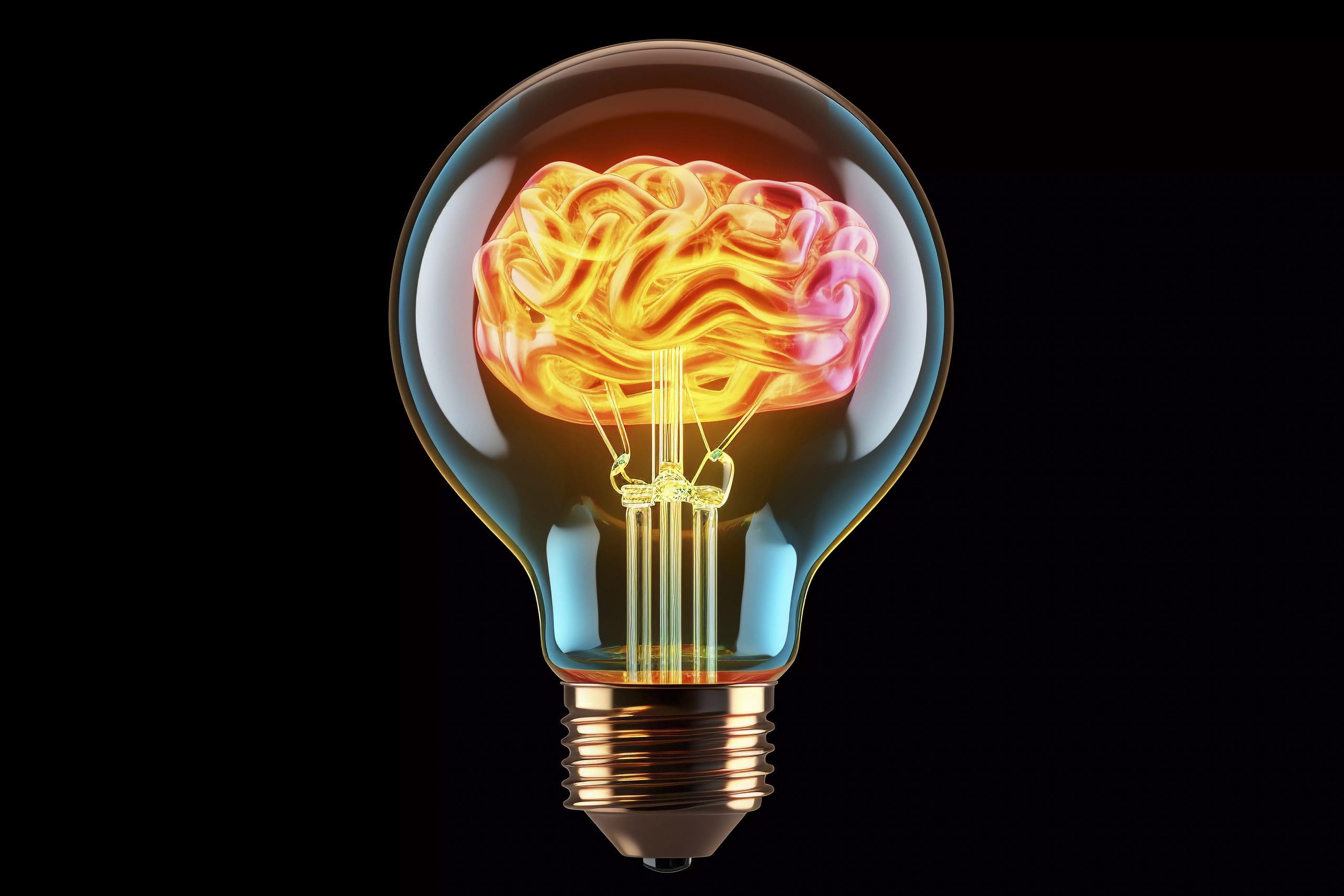
If you had told me years ago—when I was deep in chronic back pain—that changing the way I thought about my pain could actually reduce it, I probably wouldn’t have believed you.
And yet, that’s exactly what changed everything.
My own recovery led me down a 7-year path of research, reading, and learning from some of the world leaders in this field. I’ve since worked with many others doing the same—people turning toward the mind-body connection and modern pain science when nothing else has worked.
And one thing comes up again and again:
Recovery often begins with a shift in perception.
Most of us grow up believing pain equals damage.
So when pain persists, it’s natural to assume something must still be wrong in the body. Maybe something has been missed. Maybe it’s getting worse.
But modern neuroscience tells us something very different.
Pain is not simply a signal from the body—it’s an output of the brain.
Your brain is constantly interpreting signals and deciding whether you are safe or in danger. When it senses a threat, it can produce pain to protect you.
This is incredibly helpful in acute situations—like pulling your hand away from a hot surface.
But in chronic conditions, the system can become overprotective.
The brain can start misinterpreting safe, normal signals from the body as dangerous—and continue producing pain, even when there is no ongoing injury.
Many people I work with have been told they have disc bulges, degeneration, or other findings on MRI scans. It’s easy to assume these are the cause of the pain.
But research shows that these “abnormalities” are incredibly common—even in people with no pain at all.
In other words, structural findings don’t always equal symptoms.
Understanding this can be a turning point.
Because when we begin to see that pain doesn’t necessarily mean damage, something shifts.
The fear starts to soften.
The body starts to feel safer.
And that alone can begin to change the pain experience.
The body starts to feel safer.
And that alone can begin to change the pain experience.
This is why education is such a key part of recovery.
When you truly understand how pain works—how the brain and nervous system are involved—it changes your relationship with what you’re feeling.
Pain becomes less threatening.
And when pain feels less threatening, the brain has less reason to keep producing it.
This isn’t about “thinking your way out of pain” or pretending it’s not real.
The pain is real.
But it’s also changeable.
As a chronic pain coach and SIRPA practitioner, a big part of my work is helping people shift the beliefs they hold about their bodies and their pain.
Because beliefs matter.
If you believe your body is damaged, fragile, or broken, your nervous system stays on high alert.
But when you begin to understand that your body is actually safe—and that your pain is being driven by learned patterns in the brain—you step into a completely different relationship with it.
One where you have influence.
One where change is possible.
One where change is possible.
When we recognise that pain is not always an accurate indicator of harm, something powerful happens:
We stop fearing the sensation.
We start working with the brain, not against it.
And we create the conditions for real, lasting change.
We start working with the brain, not against it.
And we create the conditions for real, lasting change.
This is the foundation of pain reprocessing.
And for so many people—including myself—it’s where recovery truly begins.
If you’re navigating chronic pain, I want you to know this:
There is nothing “wrong” with you for still being in pain.
Your system has simply learned a pattern.
Your system has simply learned a pattern.
And with the right understanding and support, that pattern can change.
Want to unlearn these patterns- reach out to me Contact
