
Matt’s Chronic Pain Recovery: Elbow Pain to Triathlon Podium
Could understanding persistent pain differently help you move forward?
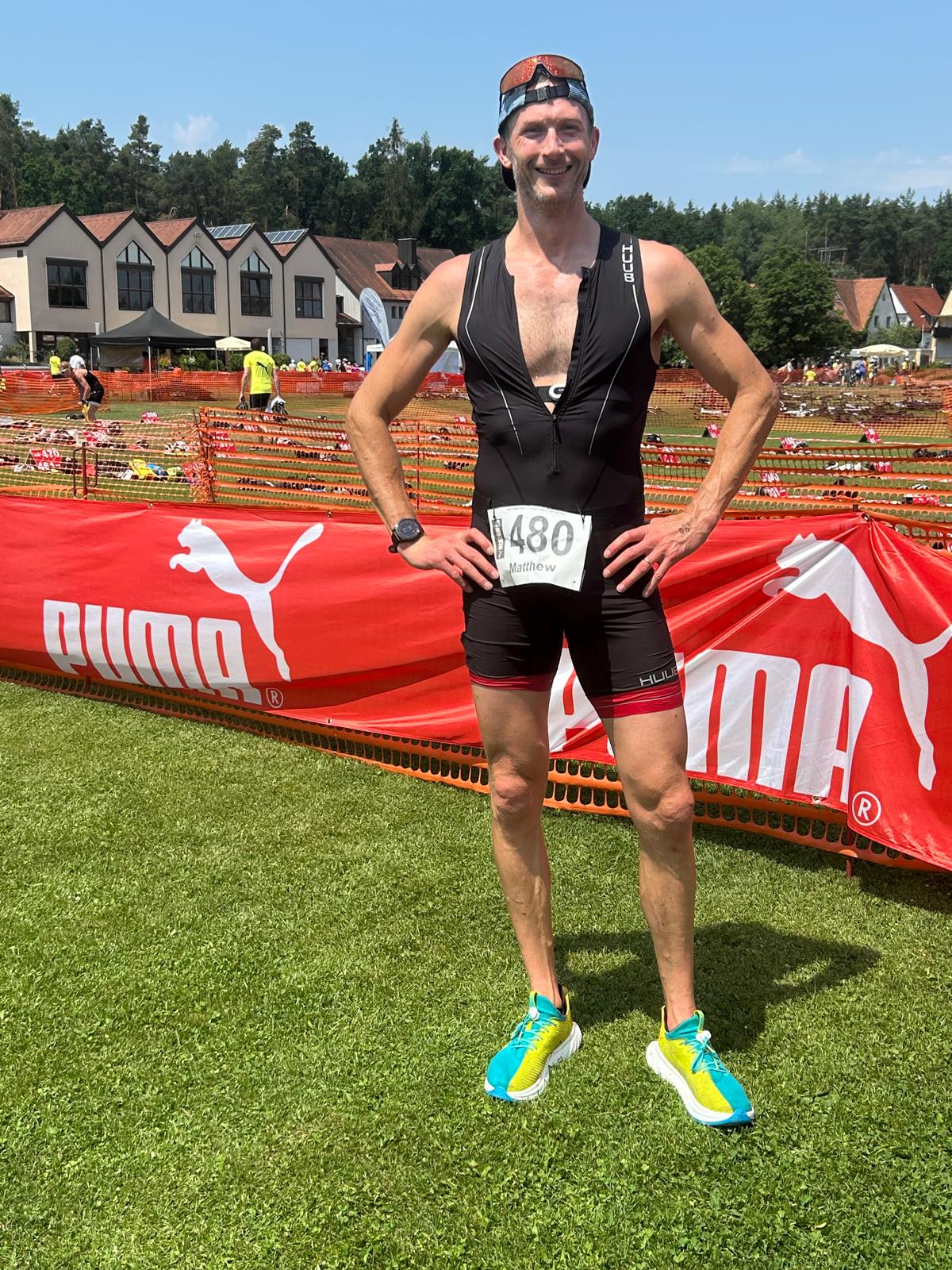
Matt is young, fit, active and a keen triathlete. But persistent pain began to take over far more of his life than he ever expected.
He experienced chronic tendon pain affecting his leg, which impacted both everyday life and his ability to do the things he loved. Like many people living with persistent pain, he tried a number of different approaches in the hope of getting better.
But he found himself stuck.
When Matt came to work with me, he was experiencing persistent elbow pain and had been diagnosed with both tennis elbow and golfer’s elbow. Despite everything he had tried, the pain wasn’t shifting.
That’s when we began exploring a different way of understanding his symptoms.
Watch Matt tell his recovery story
Rather than me telling you what happened, I’d much rather you hear it from Matt himself.
In this honest conversation, Matt talks about his experience of persistent pain, what he tried, why he felt stuck and what changed when he began to understand more about the mind-body connection and the role neuroplastic pain can play in persistent symptoms.
Watch Matt’s Chronic Pain Recovery Story on YouTube
Understanding the brain-body connection
One of the things we explored together was the idea that pain is not simply a measure of what is happening in the tissues.
Pain is a protective experience produced by the brain, drawing on information from the body alongside many other factors, including previous experiences, emotions, expectations and perceived threat.
For some people, particularly when pain has persisted for a long time, the nervous system can become increasingly sensitive and protective. This is one reason that neuroplastic pain is an important area to understand.
This doesn’t mean the pain isn’t real.
And it doesn’t mean that every case of persistent pain is neuroplastic.
It means that for some people, understanding how the brain and nervous system contribute to persistent pain can open up another avenue to explore.
For Matt, learning about this mind-body connection became an important part of his recovery journey.
From feeling stuck to getting back to what he loves
In the video, Matt shares what helped him begin moving forward and, ultimately, return to the sport that means so much to him.
And one of the brilliant parts of his story?
He made it back to the triathlon podium.
His story isn’t a promise that everyone with persistent pain will have exactly the same experience. Recovery is individual, and persistent symptoms always deserve appropriate assessment and consideration of the whole picture.
But I hope Matt’s experience offers something incredibly valuable to anyone who currently feels stuck:
hope.
Hope that persistent pain can sometimes be understood differently.
Hope that there may be more to explore than simply learning to live with symptoms.
And hope that feeling stuck today doesn’t necessarily mean you will always feel stuck.
A little about me
I’m Lindsay, a Chronic Pain Recovery Coach and Pain Reprocessing Coach, based in Chelmsford Essex and working with clients in person and online.
I support people living with persistent pain and other stress-related symptoms to understand more about the brain-body connection and explore practical tools that may support recovery.
My approach draws on evidence-informed approaches including Pain Reprocessing Therapy (PRT), SIRPA and nervous-system-based coaching.
I don’t believe recovery is about simply pushing through or forcing yourself to think positively.
Instead, we explore what may be contributing to a sensitised or protective nervous system and gradually work towards greater safety, confidence and self-trust.
Could this approach be right for you?
If Matt’s story has made you curious about whether this way of working could be relevant to you, you can book a free 30-minute discovery call.
There’s no pressure or obligation. It’s simply an opportunity to talk through what’s happening and see whether my approach may be suitable for you.
Book a free 30-minute discovery call:
Book your free discovery call
